

We see it all the time — people claiming that fishing conditions are tough and trout aren’t eating! Sometimes that’s true, but more often people aren’t catching fish because they’re not getting their flies deep enough. With a trout drop shot nymph rig, anglers add weight to their fly fishing rigs and can gain confidence their flies are getting deep.
So, what is drop shot? How is drop shot different from split shot? And how can beginner fly fishers learn to use weight in their rigs without getting lots of tangles and knots?
Let’s begin with diving into what a trout fishing drop shot rig is and how to use it.
This post may contain affiliate links, meaning Slackwater earns a commission for the referral if you decide to make a purchase through the links, but your price stays the same. Even if you click through to buy flies and you end up buying a fly box, we earn a commission. We thank you for supporting Slackwater!

In this article, we will discuss the following topics on angling with a drop shot nymph rig system:
What is The Drop Shot Nymph Rig?
Drop shot nymph rigs is a fly fishing setup that uses weight tied into the rig to get nymph flies deep. The weighted material is tied into the system beneath (or below) the bottom fly. We use a drop shot system when our nymph flies don’t have the mass to get deep enough on their own (i.e. when using unweighted, small nymph flies).
The drop shot nymph rig is used for quickly getting flies deep while allowing the angler to keep a direct connection with the nymph fly.
Drop shot is often associated with spinner rod fishing, but it is also a great technique for fly fishing.
The drop shot system is different than a split shot system in terms of where the weight is placed in the rig.
Drop shot vs Split Shot
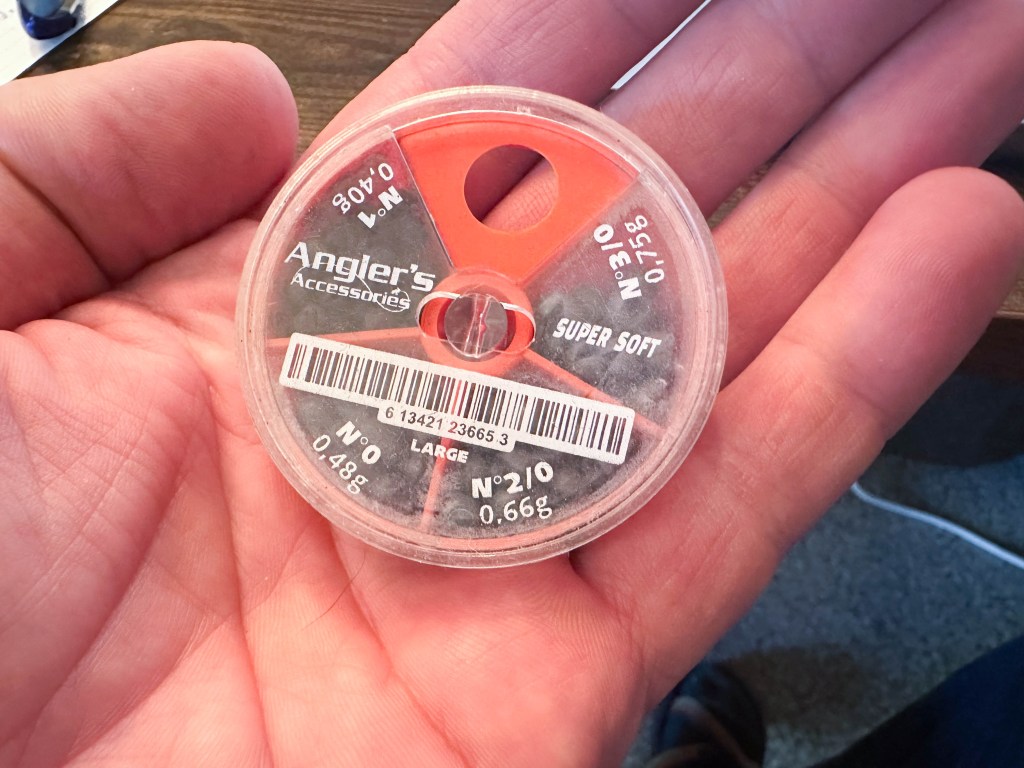
The drop shot rig is a fly fishing setup where the weight is placed below the nymph rather than above. The weight is the same material used in split-shot rigs. Split shot can be found at any fishing store (or Wal-Mart) and doesn’t need to be fancy or fly fishing specific.
What’s important is that the weighted material crimps onto your fly line.
This design offers specific advantages regarding depth control, natural fly presentation, and reduced chances of snags.
When fly fishing throughout Colorado, we frequently use the drop shot nymph rig anytime there’s a need to get our nymphs deeper in the river. This rig is particularly effective when catching trout requires more natural-looking imitations without a large, weighted bead head. The drop shot setup is best for trout streams that consistently have deep holes mixed in throughout a run.
Best Material For Trout Drop Shot Rigs
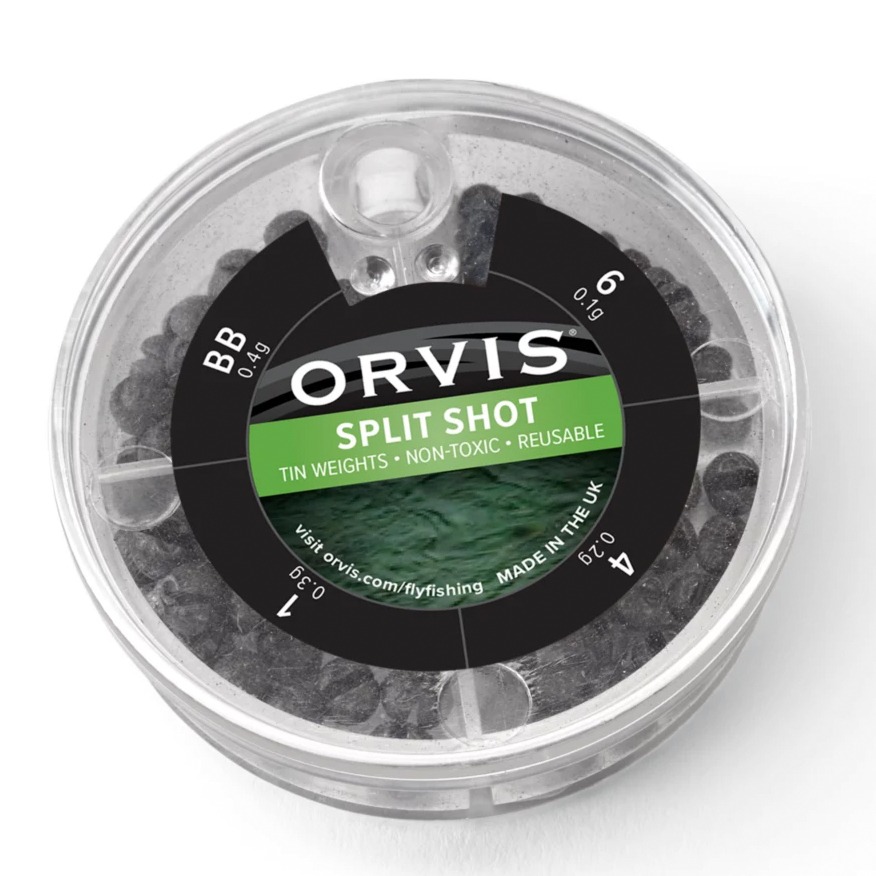
For setting up a drop shot nymph rig, we like to use materials that are typically associated with split shot material, such as tin or lead.
Lead split shot will sink quickly, but it is also a toxic material. Hence, we try to avoid using it when possible. Read more from Hatch Mag on why we should be ditching the lead for tin.
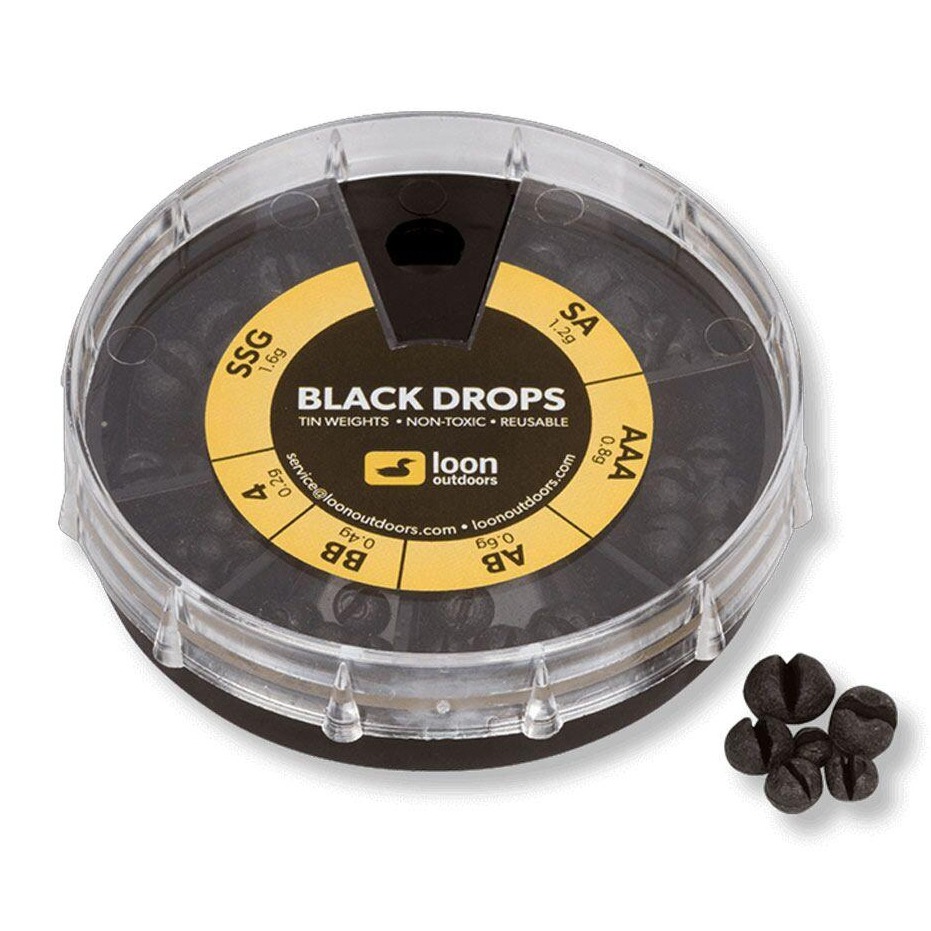
If we had to pick the best brand of split shot/drop shot, we like the offerings from Loon Outdoors or Orvis due to their non-toxic properties. Both products are made with tin instead of lead.
How To Setup a Drop Shot Nymph System
Below is our step-by-step explanation of how to tie a drop shot nymph rig for fly fishing.
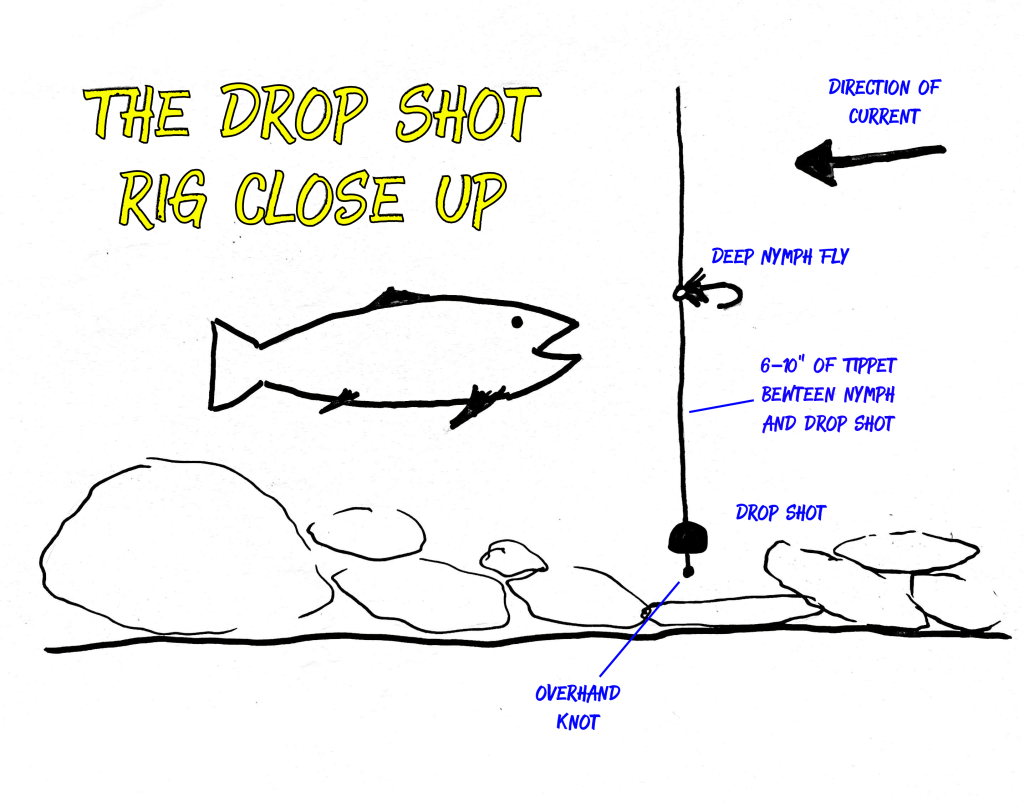
Drop Shot Nymphing Diagram
(1) Choose Your Nymph
Select a fly suitable for the river and the time of year. When normally selecting a fly, we have to consider the style of the fly, its colors, its size, and its weight. Less importance can be placed on the fly’s weight when using drop shot because we will be adding weight into the system separately.
(2) Tie Your Fly
Attach your chosen fly to the leader’s tippet section. The nymph should be tied below your indicator by approximately 1.5x the depth of the water. EXAMPLE: If the water is two feet deep, your nymph should be dropped three feet.
If you’re dry dropper fishing, use an oversized, buoyant dry fly since the drop shot will be challenging for a smaller dry fly to suspend. Otherwise, use an easy-to-see bobber indicator or a Dorsey indicator.
(3) Tie Dropper Tippet To Your Fly
Tie a 12-14 inch section of 5x tippet below your bottom fly. You can tie this with a clinch knot, which can be attached to the eye or the bend of the hook.
(4) Add An Overhand Knot To The Tippet
Add a simple overhand knot to the terminal end of the tippet as a stopper. Trim off any wasted tippet. This stopper knot will ensure your drop shot doesn’t slip off. The knot should be 6-10 inches below your fly.
If you’re concerned a single overhand knot isn’t large enough, use a double-overhand knot.
(5) Attach the Weight
Below the bottom fly and above the overhand knot stopper, crimp on some split shot with your forceps. Test the stopper knot to ensure the drop shot won’t slip off.
You can use a variety of weights brands, however, the most eco-friendly option is the Black Drops tin weights from Loon Outdoors.
Products from Loon Outdoors are of high quality and are made by people who have a vested interest in keeping our rivers toxin-free.


(6) Adjust Depth and Cast
It’s time to begin fly fishing your drop shot rig! Carefully roll cast your rig into the desired zone, and begin your drift.
You’ll know when you’re on the bottom by seeing your indicator twitch slightly as the drop shot ticks along the river bed.
In many instances, we’d argue that a twitch means it’s time to set the hook. However, with the drop shot system, you’ll need to learn the difference between what a take looks like vs. the drop shot ticking along the river bed. There’s a difference, and it takes some practice to learn.
When in doubt, you can set the hook. Because, well, hooksets are free!

Benefits of Using Weight in Fly Fishing
There are several reasons why we absolutely love using weight in our nymph rigs. Here are some of the top reasons.
It Gets Deep QUICK!
Drop shot is dense and will get your flies deep immediately. When water is turbid and fast, fly fishing a drop shot rig can be your insurance policy to ensure you’re targeting a section aggressively.
Additionally, you can easily add more weight should you need to get deep quicker. Start small and continually add on drop shot beads until you get your nymphs where they need to be.
More Direct Connection to the Nymph
When using a split shot technique, the weight is placed above the fly, resulting in a delayed connection to the nymph. This delayed connection can often result in slower hooksets and missed fish. The drop shot technique allows for better strike detection due to less material between your rod tip and the nymph.
Fewer Snags, More Trout Caught
Since the weight touches the bottom first, there’s a reduced risk of your fly snagging. Additionally, when you do get snagged, the drop shot breaks off rather than your expensive fly, most often.
We like to use 5x because it’s typically strong enough to wiggle the entire rig out of a sticky situation. Other people like 6x because it’s more of a guarantee the angler will lose the weight before their flies when the rig gets snagged.
For a more detailed review of tippet sizing, check out our Tippet Size Chart.
Ability to use small, light flies
Small, light, and more realistic-looking flies often do not add enough weight to your fly fishing system to get where trout are feeding. With the use of drop shot to add weight to your rig, anglers can fish with the smallest of flies directly in the trout’s strike zone.
Using Drop Shot with a Dry Dropper System
It is possible to use drop shot in a dry dropper rig, so long as your dry fly is buoyant enough to suspend the extra weight.
There are several types of dry dropper setups, however we recommend rigs in the bobber dry dropper catagory, because it entails using a larger fly that will better be able to support the additional weight.
Here is a diagram showing how to use drop shot in the dry dropper system.
Drop Shot in a Dry Dropper Rig Diagram

Alternatives To Using Drop Shot Weight
I hated using weight in my fly fishing rigs when I was a beginner — and rightly so! Adding weight to my nymph rig only resulted in more tangles, snags, and less time fishing.
To say the least, I was frustrated on a regular basis.
If you can relate, and you don’t want to add drop shot weight to your nymph rig, we recommend using European-style tungsten bead jig nymphs.
Jig pattern flies are a very popular and effective method of getting your fly fishing rig deep quickly and seldom require the addition of drop shot weight. These flies are sleek and heavy and cut through the water quickly, making them an excellent alternative to using split shot or drop shot.
Further, we find barbless jig patterns to tangle less and release themselves from river bottom snags with less effort.
Best Weighted Jig Flies
Here are nine of the best jig fly patterns when you’re not using drop shot weight.
Jig flies are one of our first choices for a nymph fly when rivers are high or murky because they get to the bottom quickly where fish are holding.
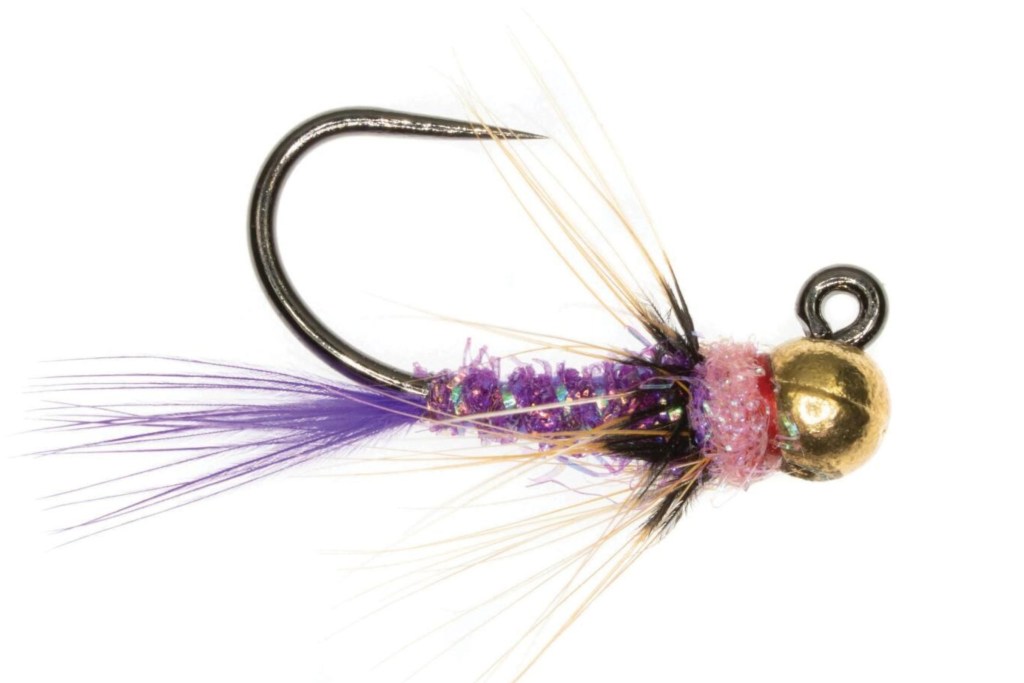

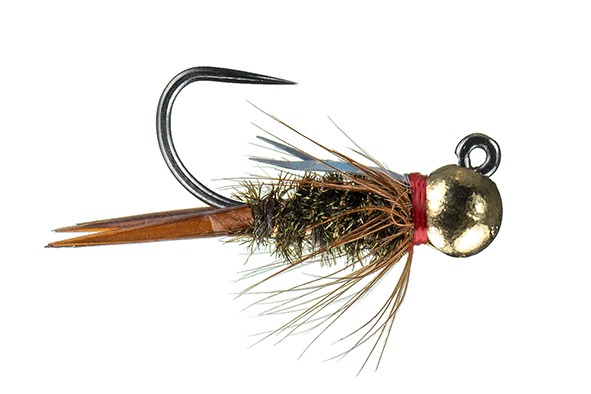
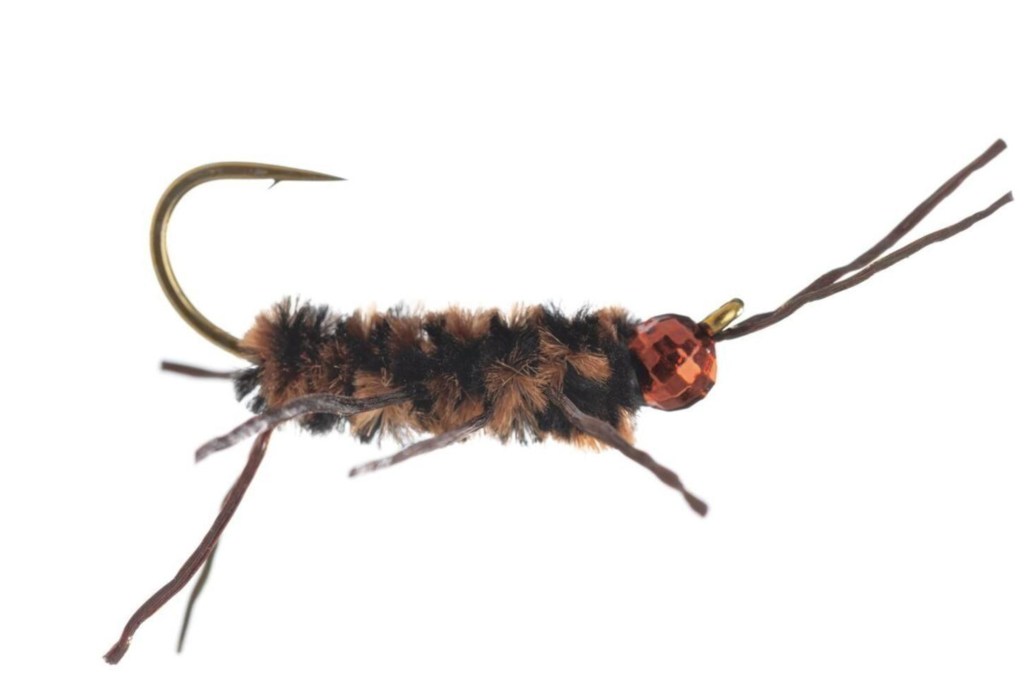
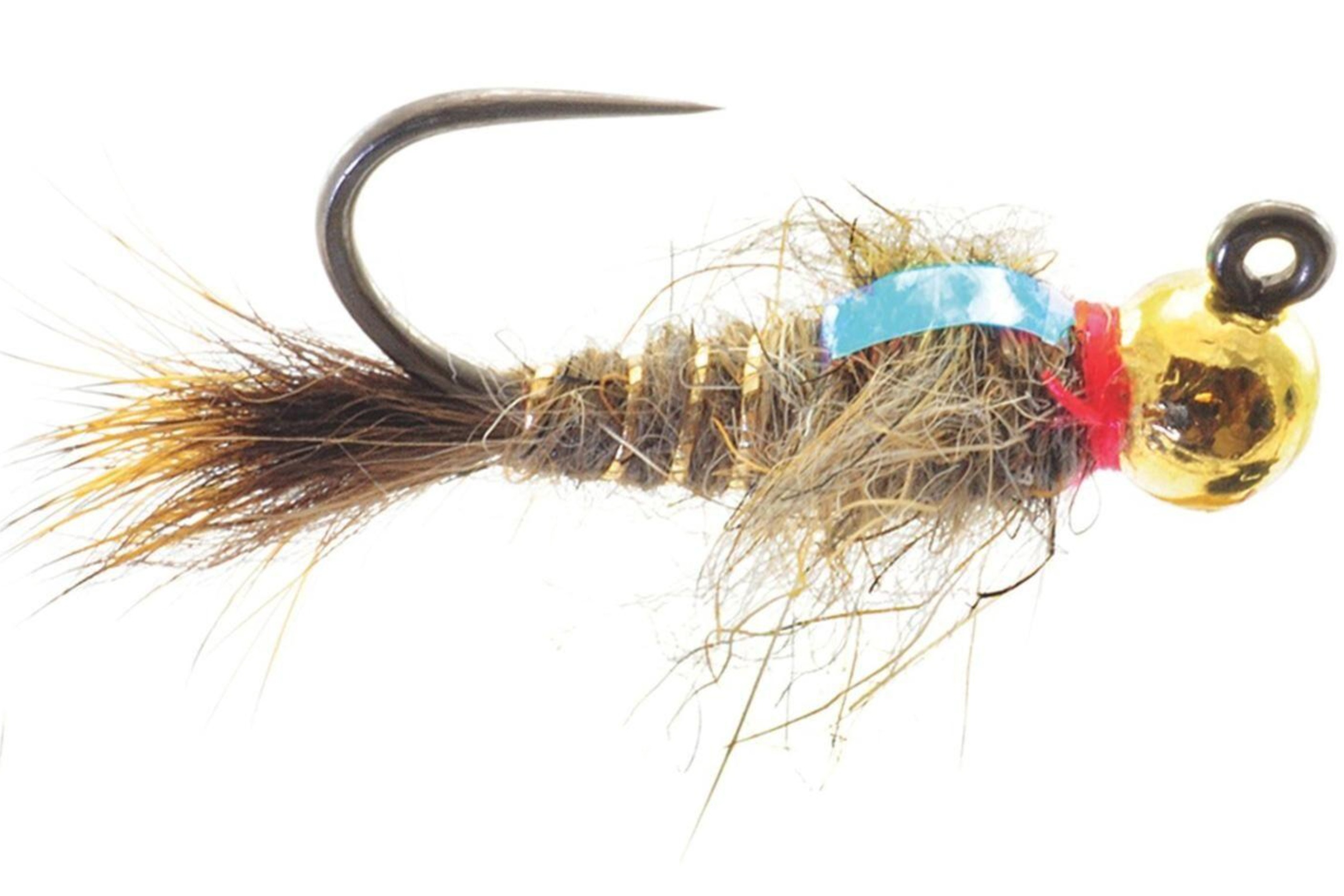
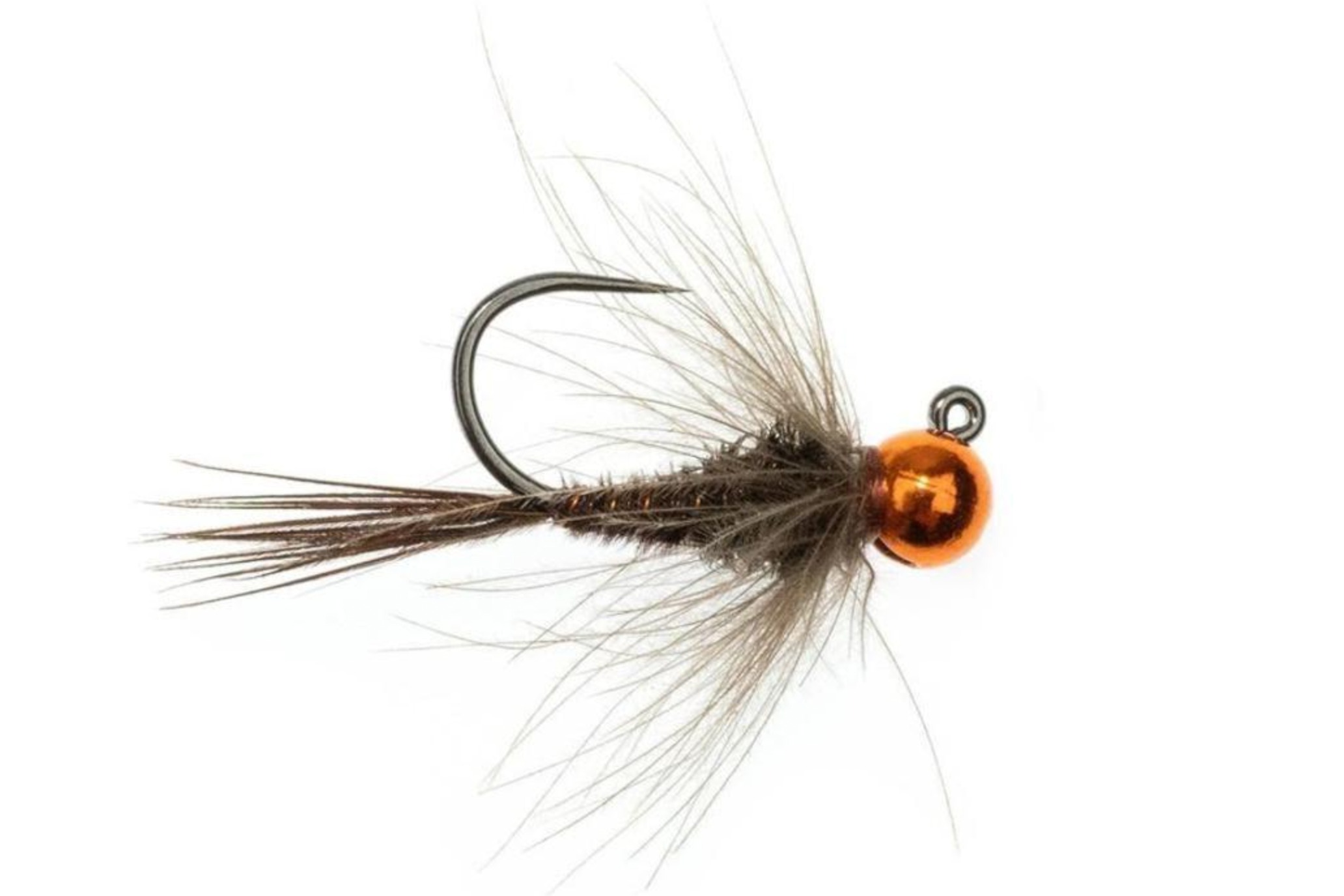
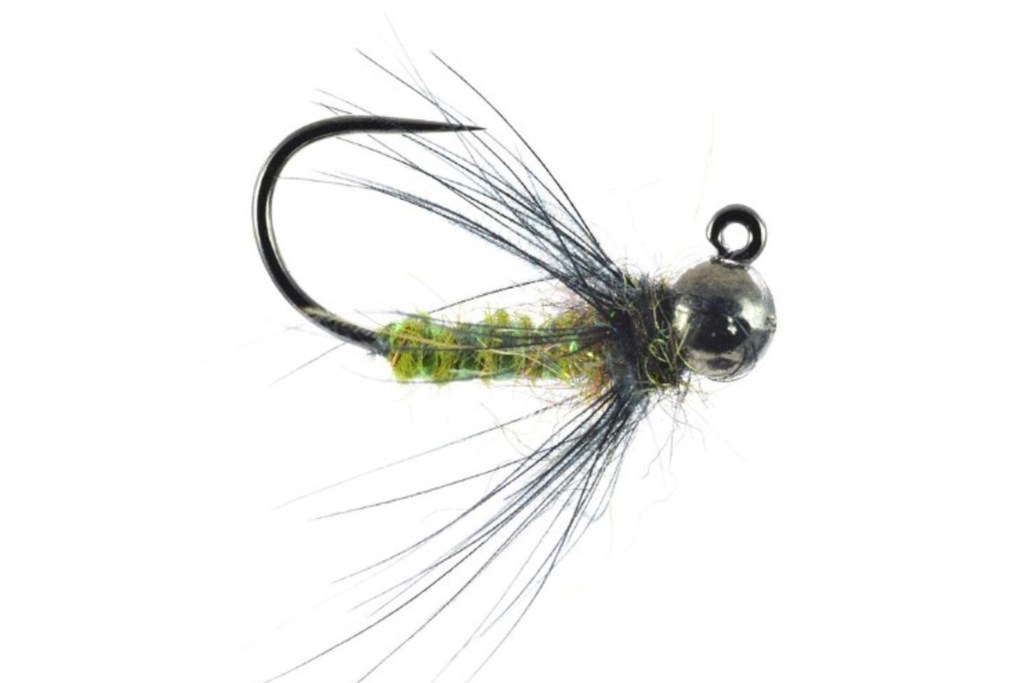
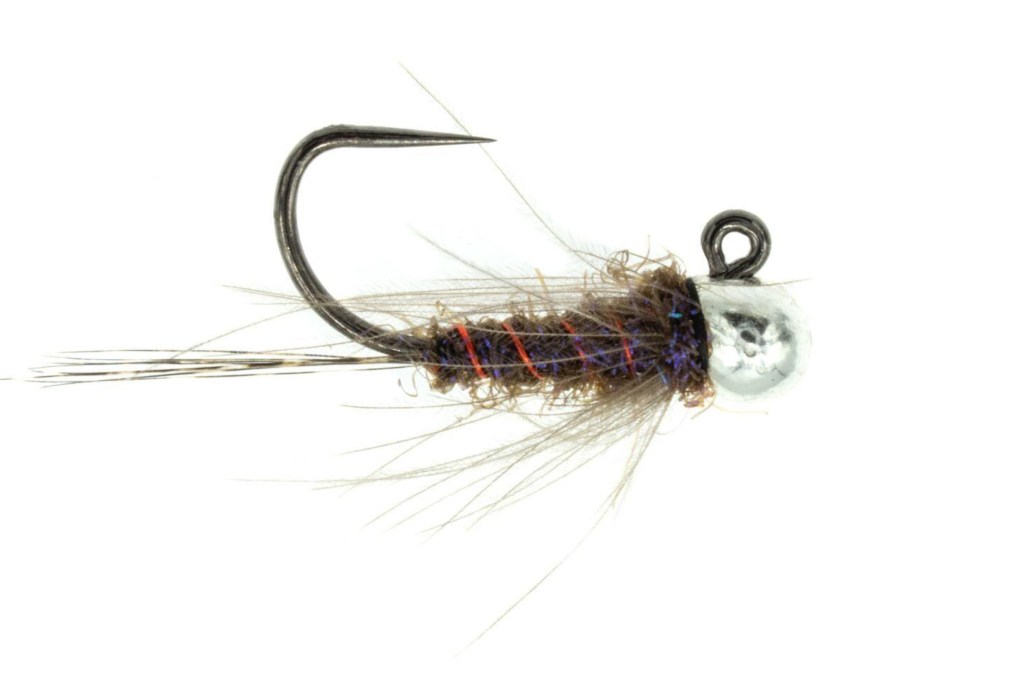
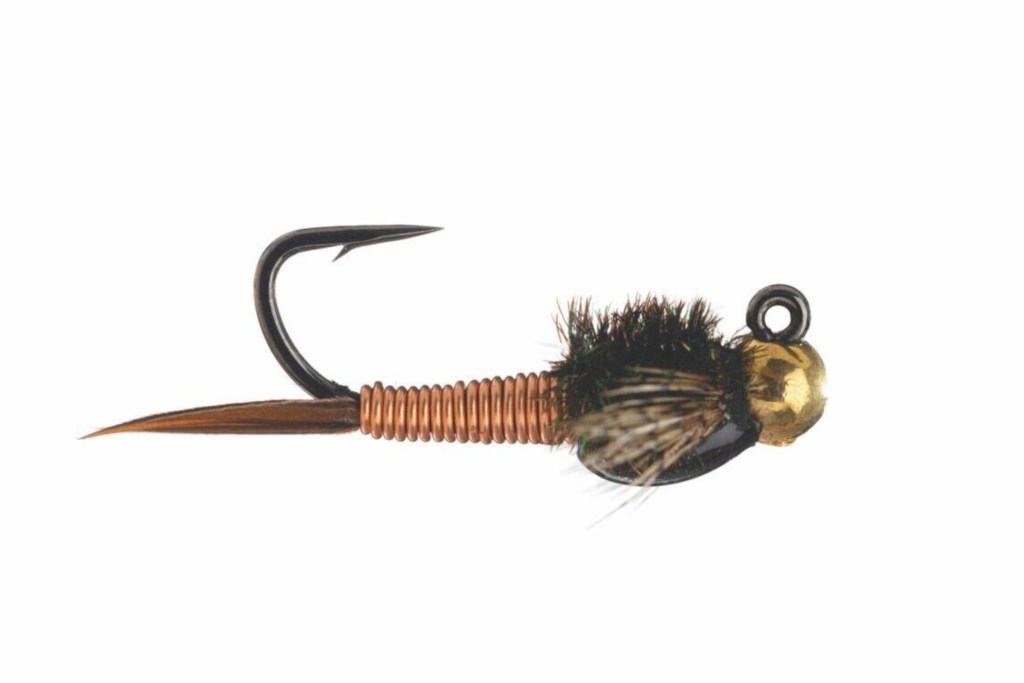
These flies also work great in tandem with smaller, lighter, more realistic-looking patterns. A jigged fly that is flashy and large can serve the purpose of being an attractor pattern but also one that gets into the strike zone immediately.
Regardless of whether you are using drop shot weight or not, we recommend all fly anglers have a healthy collection of jig flies to be ready for deep nymphing when the conditions demand it.
** Slackwater earns a commission when readers click through a product link and make a purchase. If you enjoyed this article and are in the market for drop shot, split shot, or flies, we’d greatly appreciate you making a purchase through one of the product links above. Thank you so much for your support! **
In Summary: Using Drop Shot for Weight
Fly fishing the drop shot rig is a simple and effective way to get your nymphs deep quickly by adding weight to your fly fishing rig. When fish are primarily feeding on the bottom of the river, the weight of the drop shot rig helps anglers get their flies into the strike zone quickly.
When using weight in your rig isn’t necessary, we encourage anglers to explore using euro-style jig nymphs that are packed with plenty of weight to get down fast.
Thanks for reading.
Are you a fly fishing beginner? Are you lost when shopping for angling gear?
Look no further than Slackwater’s comprehensive guide to the best fly fishing gear for beginners. We believe that the best fly fishing gear should be of high quality but rarely do we need the most expensive equipment to get the job done.
Check out our Ultimate Guide to Beginner’s Fly Fishing Gear for more information on WHAT YOU NEED to get started fly fishing.
Shop for the best beginner fly fishing gear
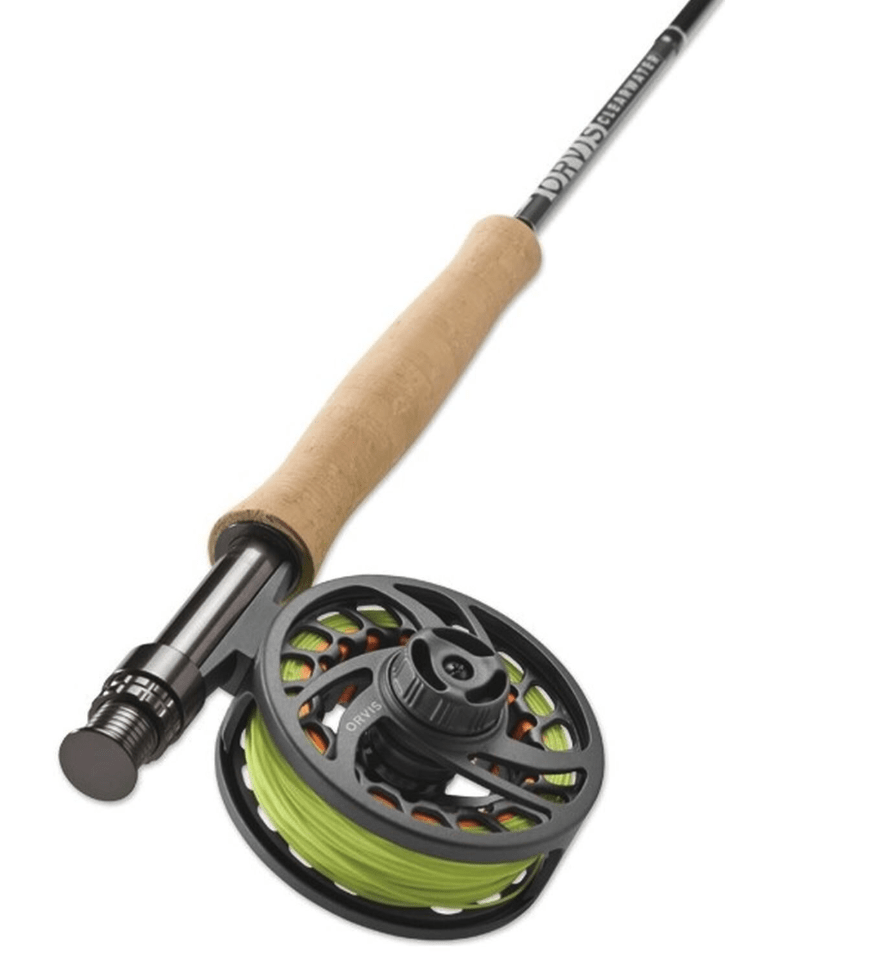
Orvis
Clearwater Combo

Simms Freestone Pack
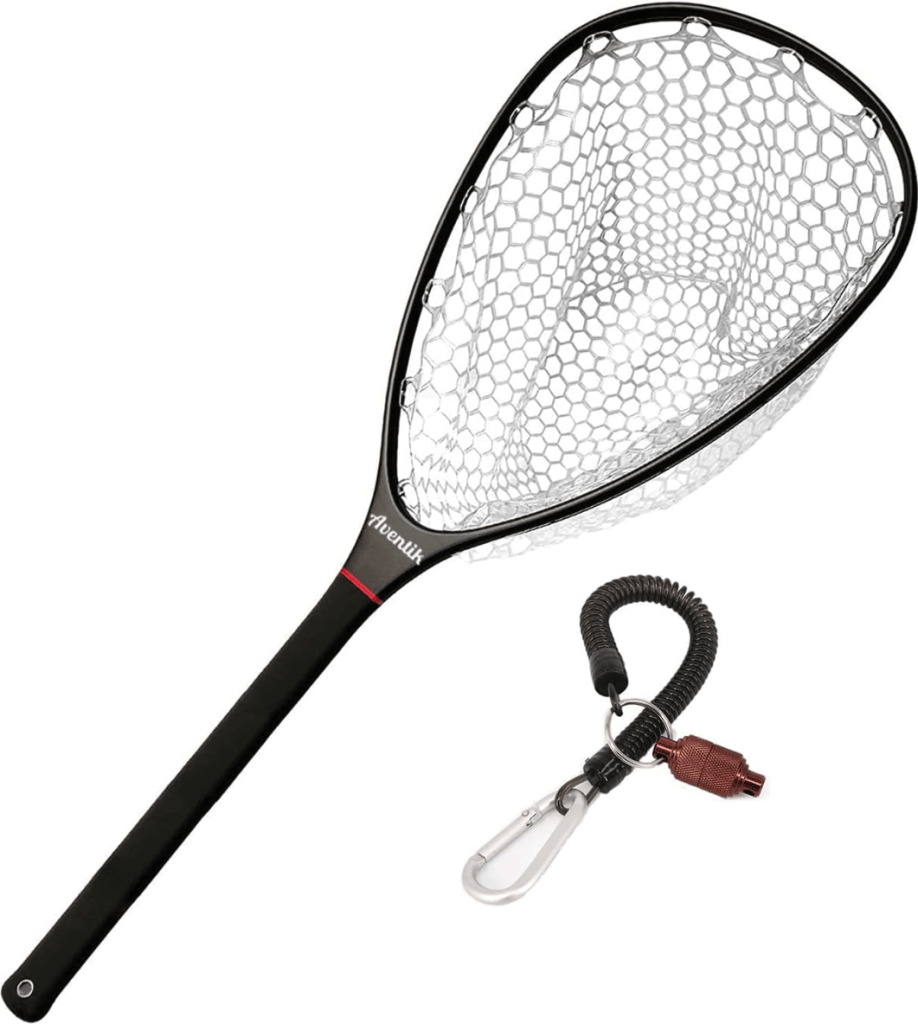
Aventik Floating Net
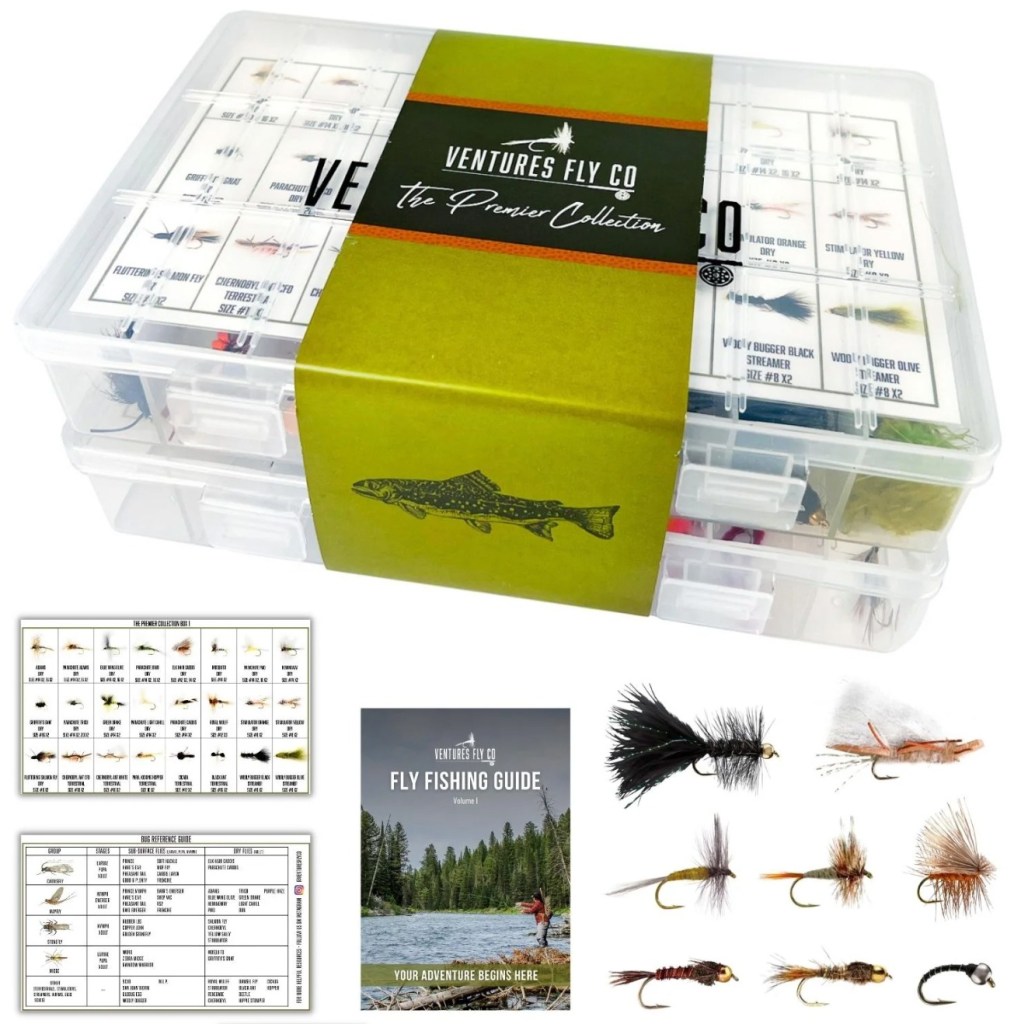
Ventures Fly Co Assortment
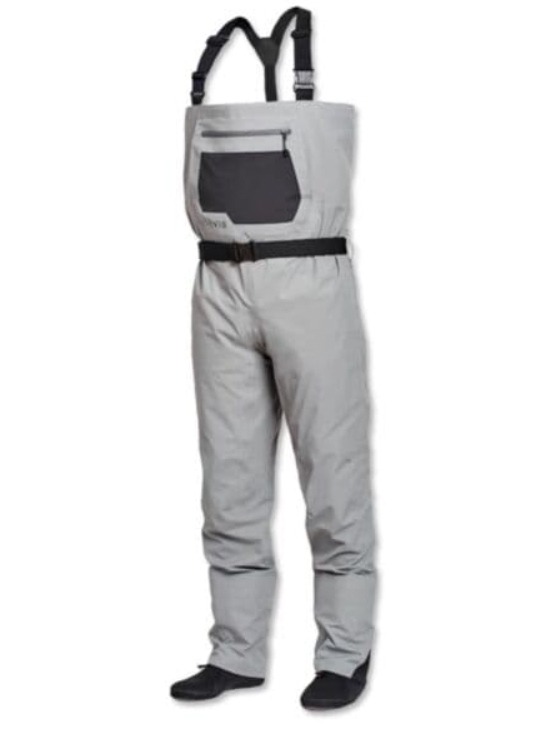
Orvis Clearwater Waders
