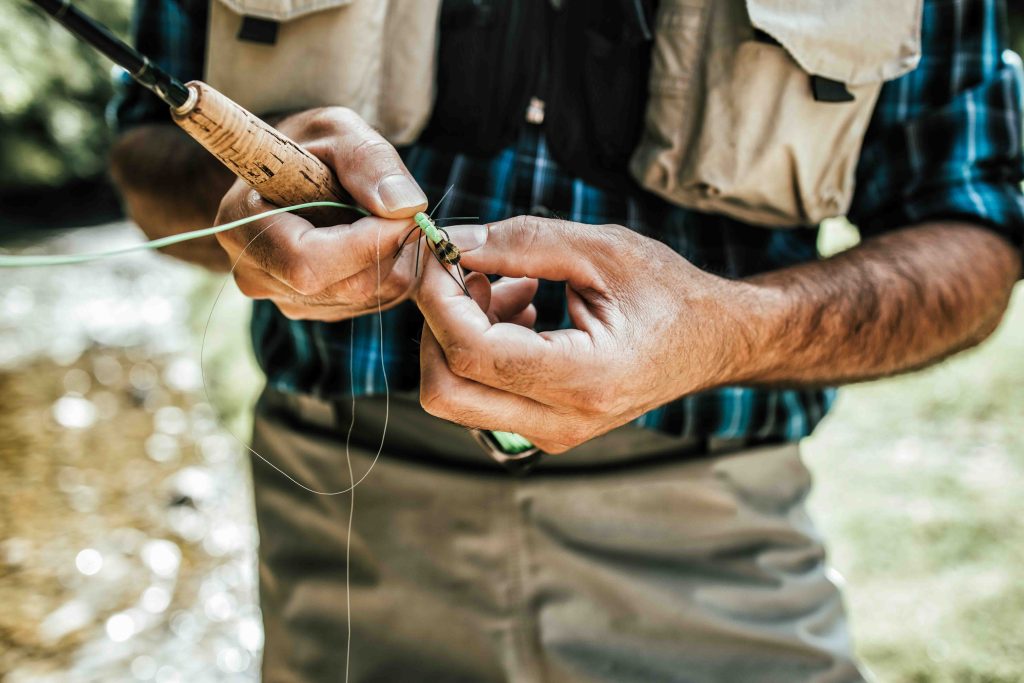
Being efficient on the water with my fly fishing clients is everything. Having the right gear to keep me warm, dry, stable, organized and hydrated is an important piece of the puzzle.
Undoubtedly, having the right gear helps me remain focused on fishing hard. But having the right habits is also completely essential.
There are about 952 (or more?) habits that great fly anglers have dialed in. But let’s keep things simple and focus on why I believe are some of the most important habits of all.
Below is a short list of fly fishing tips to help beginner anglers catch more fish.
Develop a great cast
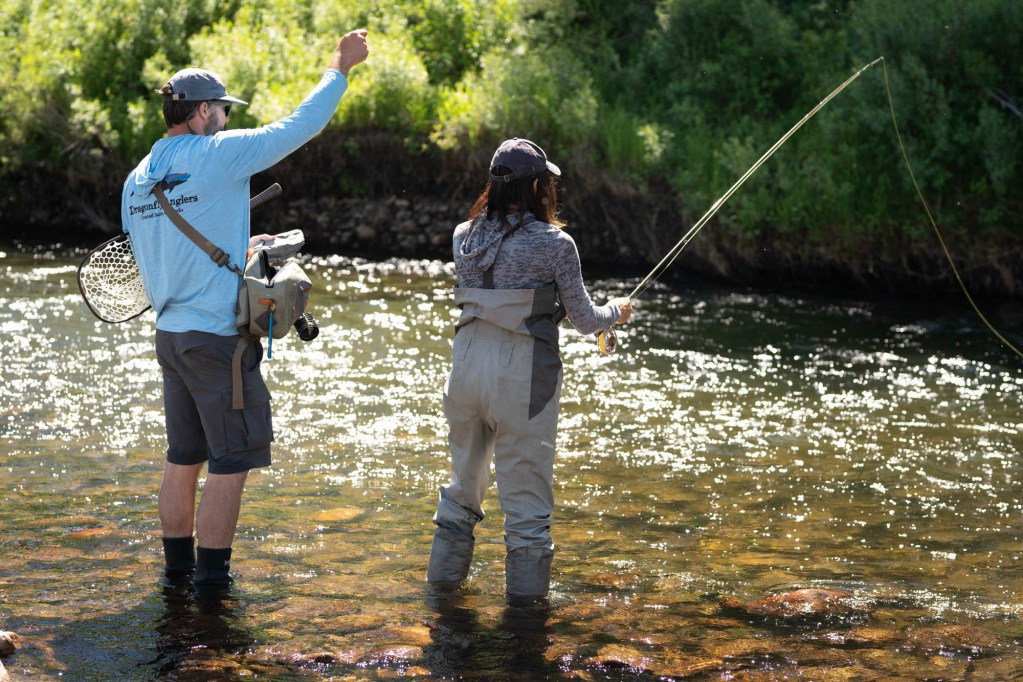
This is the number one most important fly fishing technique that many of us overlook in exchange for trying to find the perfect fly, the perfect water, or perfect time of day. Your cast is everything. Let me repeat that… your cast is EVERYTHING. And it should be considered your life blood on the river.
It is so important that I could write many articles about it, but in its most simplistic terms, a good cast does the following:
- It delivers our flies to feeding fish.
- It presents our flies naturally.
- It keeps our flies in the water and out of hazards.
A bad cast just wastes our time because they catch fish less frequently. So practice a great cast every time.
Eliminate your damn false casts
Expert anglers can false cast all day, and at distance to boot, without snags and knots. But anglers are not experts.
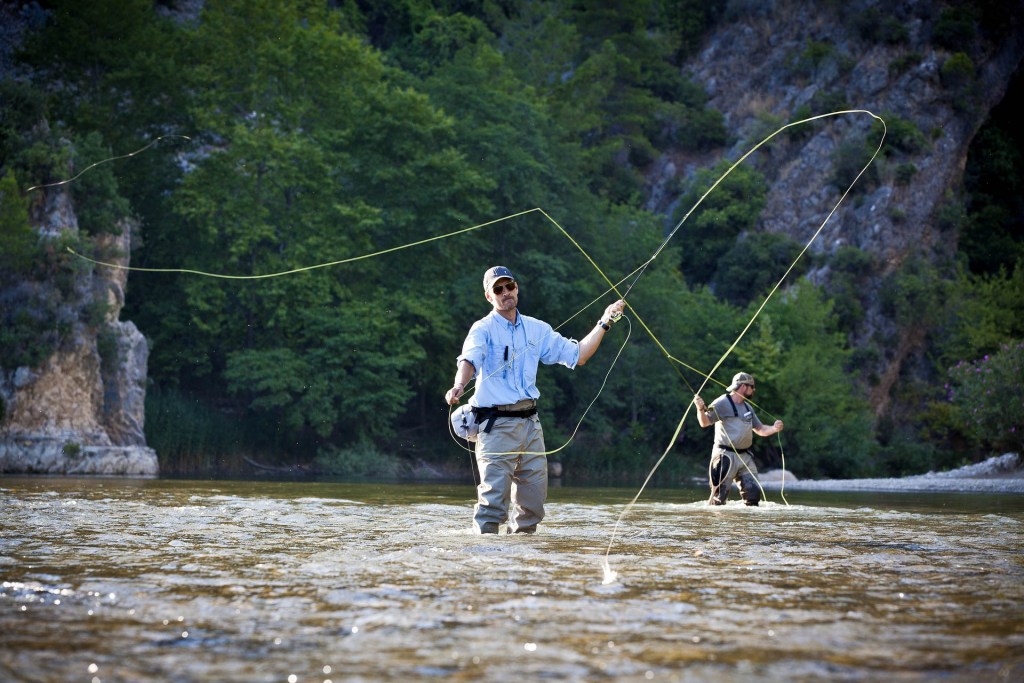
And third, it’s safe to say these dude-brahs enjoy casting more than they enjoy catching. To catch more trout, simple, short, and precise casts are all you need. Long, repeated false casts aren’t necessary and often lead to tangles.
And all of us have experienced the dreaded knot or snag in a tree when false casting. It takes several minutes out of our day untangling or retying and, well, it just sucks.
So I challenge you to eliminate this bad fly fishing habit. Instead, get as close to the zone you’re fishing without spooking the fish and make short, intentional casts that do not require false casting.
A lot of times I prefer a good roll cast in comparison to a back cast because it is easier to keep my flies in the water and away from hazards.
Check out the Orvis video here on how to make a good roll cast.
Keep your fly bag organized
One of the best fly fishing tips around is to remain organized.
Just like having a great cast, keeping an organized bag takes practice. I like to be able to reach into my bag without even looking and know what to reach for and where it’s located.
When our gear is organized in a manner that’s repeatable, you can spend less time fumbling and more time focusing on catching trout.
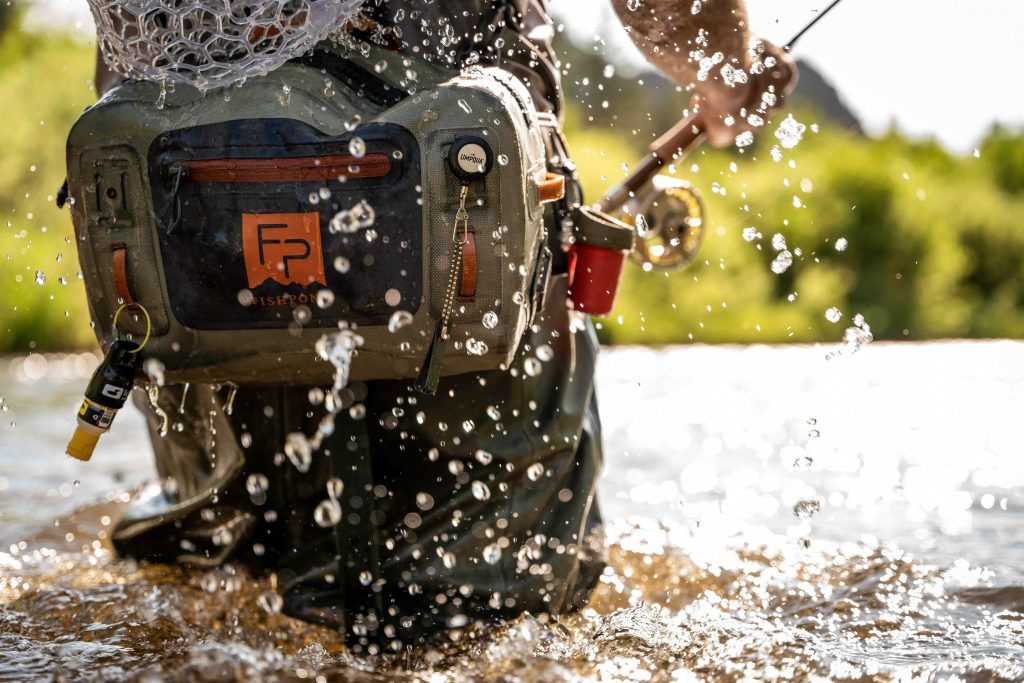
I like to use the Fishpond Thunderhead Submersible Lumbar pack as my daily driver as it is slightly oversized and has the accessory attachments to keep my gear organized and safe. But use what you’re most comfortable with, and practice organizing it daily.
If you’re not catching fish, change something
When I’m confident in my cast but not catching fish, I change the depth. When I’m confident in our depth and my cast, I change the flies. When I’m confident in my cast, my depth, and my flies, I change my presentation or orientation to the zone.
Or I simply change my location!
Moving upstream frequently and covering more water is the quickest thing to change, so it’s often my go-to tactic for changing something.
Fish that are actively eating will often times take a fly presented in a good manner on the first or second drift. So if you’re not catching anything, there is no need to hammer the same hole or seam for 20 minutes times before trying something different.
I see this bad habit in anglers daily and it pains me to see so much time wasted.
Learn the Dry-Dropper Rig
The dry-dropper rig is an insanely valuable tactic to master as a beginner fly angler.
With a dry-dropper rig, you are able to test if fish are biting below the surface or on the surface at the same time. It is simple to set up and easy for beginner anglers to understand.
The dry-dropper rig consists of fishing with a dry fly on the surface and a nymph fly under the surface at the same time. The dry fly works as a top-water imitation that also has enough buoyancy to suspend a nymph fly below the surface.
Click here for more information on the dry-dropper fly fishing set up.

Conclusion
Having the right habits when fly fishing, or doing any activity, is essential to a great day on the river. So identify your weaknesses and inefficiencies and practice turning them into your strengths.
Having the right gear is also crucial. Click here for a short list of the gear I never leave home without and allow me to have a more efficient, better day hunting trout.