
They don’t call it paradise for nothing. Some of the best fly fishing experiences in the world are in Crested Butte, CO.
The beauty and soul of this mountain community are why mountain lovers live here, and the reason tens of thousands of tourists, mountain adventurers, and anglers flock to this fly-fishing-mountain mecca every year.
Within a 30-minute drive of the Town of Crested Butte, there are over a dozen trout streams holding browns, rainbows, cutthroats, and brook trout. Surrounding Crested Butte, the Elk Mountains retain billions of gallons of water in the form of snow each winter, filling the rivers to the brim come spring run-off.
Consistent and healthy spring and summer flows provide sustenance and abundance to one of Colorado’s best trout fishing areas.
Mountain lakes, backcountry streams, and big rivers – the Crested Butte area has it all.
It’s no wonder fly fishing in Crested Butte is adored by fly fishing junkies worldwide!
Let’s dig into some of the best places to go fly fish in Crested Butte.
Gunnison River
The Gunnison River, formed by the confluence of the East River and the Taylor River in Almont, Colorado, is one of the state’s most profound river sheds and the largest in-state tributary to the mighty Colorado River.
Fly fishing on the Gunnison is about as special as it gets, with prolific nymph, dry fly, and streamer fishing in the Spring, Summer, and Fall.
During the summer, flows on the Gunnison are high enough to allow for drift-boat fishing and walk/wade fishing on the stretches of public land. A drift boat fishing trip with a guide is highly recommended to get the most out of your experience on the Gunnison River.

The Gunnison River primarily holds brown and rainbow trout, many of which are trophy-sized.
Below the reservoir, the Gunnison River winds through the Black Canyon before its confluence with the North Fork of the Gunnison near Hotchkiss, Colorado.
When fishing the Gunnison, remember to be cautious of private land as owners as they have been known to be extra picky and aggressive towards anglers on or near their land. Trespassing on private land may include touching the river bottom or simply swiping the riverbank with your oar.
You’ve been warned.
Taylor River
The pristine, crystal-clear, cold waters of the Taylor River are what fly fishing dreams are made of. This river begins high in the alpine above Taylor Park before it is dammed off, creating the Taylor Reservoir.

Fly fishing enthusiasts can find peace, serenity, and an abundance of healthy wild trout above the reservoir if they are willing to drive a little further from Crested Butte. Fly fishing above the reservoir can be hit or miss in the early season (April and May) but become excellent after run-off peaks in June when dam-released flows are mostly consistent.
When most people think of fishing the Taylor, however, they think of the Catch and Release (C&R) section directly below the dam.
The monstrous fish thriving in the C&R is why.
Catching fish over 20 inches is common here, and hogs approaching 30 inches are not unheard of. Because of the popularity of the C&R, these fish receive enormous amounts of pressure and sometimes won’t be fooled easily. But other times, the bite is hot, and the C&R produces!
The C&R is not our favorite place to fish, primarily due to the crowds, but it has it’s place and time when it can be fun.
The 31 miles below the C&R to Almont are a mixed bag of private and public water with plenty of roadside pullouts and parking lots near fishy stretches. Luckily, the water released from the dam above the C&R is colder than many other streams in the valley during the summer heat, providing a top-notch environment for trout to thrive and feed year-round.
From June through August, the lower sections of the river will be littered with white-water rafting tours, taking advantage of the plentiful white water the Taylor River offers. Be prepared the share the river with these folks as they drift by. For the best white-water experience, we recommend Scenic River Tours, based out of Almont, CO.
During the summer, dry fly and sub-surface fishing can be equally productive, however, during the spring, fall, and winter, this section of the river can be fished like any typical Colorado tailwater.
Small stoneflies, RS2s, pheasant tails, baetis nymphs, and midges will often be the go-to flies during these seasons.
Fishing the Taylor with a partner is generally advised, as the river bottom is quite slippery and treacherous when flows are anything but low.

Further, the foot entrapment risk and breathtakingly cold water are enough to run shivers down your spine, literally and figuratively. If you have balance issues, are uncertain when wading through heavy water, or are fly fishing with kids, we advise you to choose another trout stream to fish.
Low flows on the Taylor are between 100 and 250 cfs out of the dam. Anything over 250 cfs can make wading challenging and dangerous in many locations.
When flows are over 400 cfs, we recommend only fishing the areas with visibly mellow water.
As of January 2023, the Colorado Parks and Wildlife Commission welcomed the Taylor River into the elite club of Gold Medal trout fisheries, indicating a stretch of water with at least 60 pounds of fish per acre with at least 12 quality trout of 14 inches or greater per acre.
Stealth, patience, and nymphing in the deep runs and pockets are the generally advised tactics on the Taylor River, although dry fly fishing can often be lights-out during a good hatch. Also, be sure to read the rules and regulations on the Taylor River, which can be found here.
East River
One of the crowned jewels of Crested Butte is the East River. With its headwaters starting near Schofield Pass and its terminus in Almont, CO, the East River holds bountiful numbers of gorgeous trout.
The East is a freestone river that depends on natural runoff from rain and snowmelt.
Because the snowpack on Schofield Pass is typically one of the deepest in the state by April of each year, stream flows on the East River are generally very intense during peak runoff and sustained throughout much of the summer.
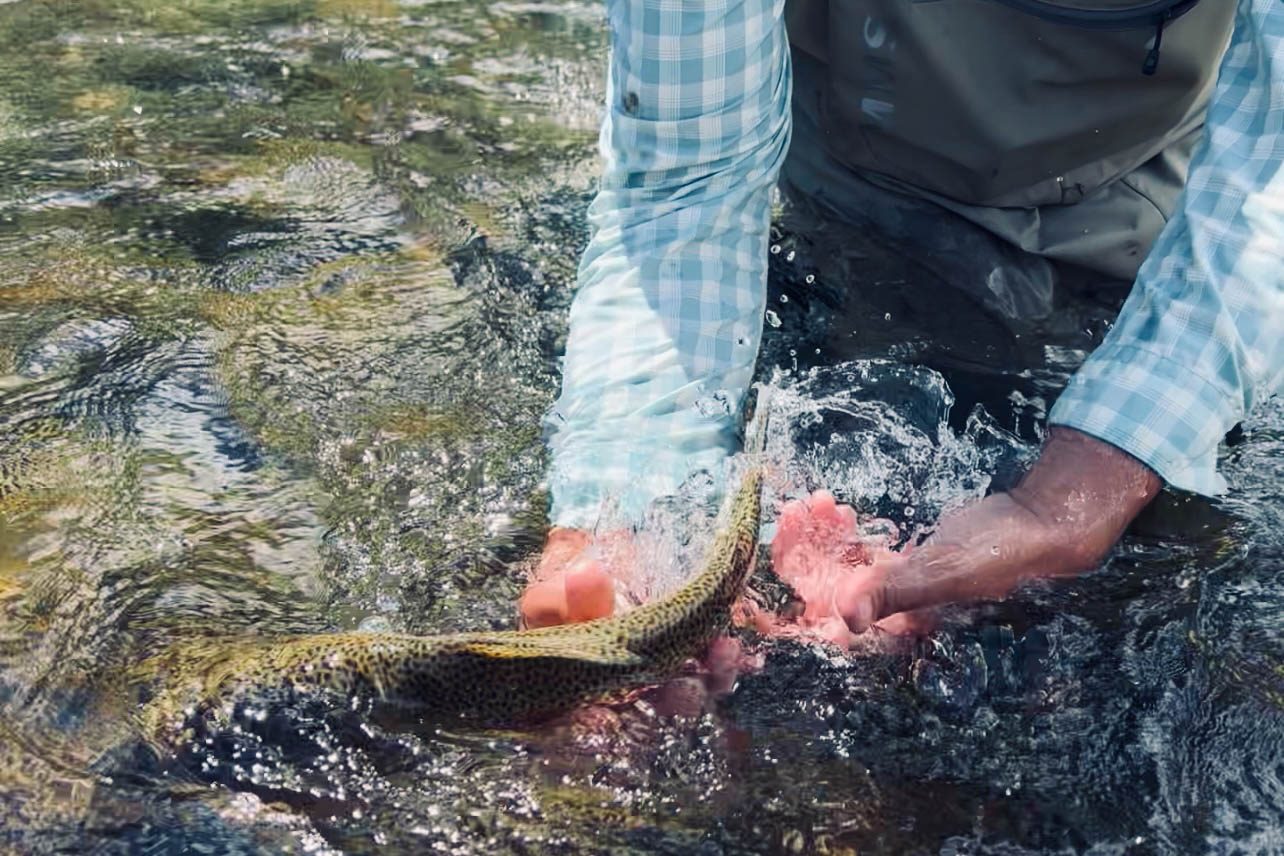
Much of the East River flows through private land. However, there are still enough public areas to make this river worth a visit on your next Colorado fly fishing vacation.
The primary stretch of public water is at the Roaring Judy Fish Hatchery, about 15 miles south of Crested Butte on Hwy 135. Here, anglers can move freely throughout approximately 1.5 miles of public water and find pools, holes, pocket water, riffles, and runs that hold brown, rainbow, and cutthroat trout.
East River trout range from 6 inches to 20 inches or more and frequently will put up a good fight.
Wading opportunities near Roaring Judy are less committing and of lower consequence than wading on the Taylor or Gunnison, making it a good place for families or people with stability challenges.

We tend to guide at the East when clients want to focus more on the basics of fly fishing rather than the risks of remaining upright on the water. During the spring, summer, and fall, crowds at Roaring Judy can be large. Please remember to practice solid fly fishing etiquette and never crowd in on someone who was at a location first.
The Roaring Judy Ponds at the hatchery are great for kids or folks looking to practice their casting in an environment without moving water. These ponds hold copious amounts of stocked rainbow trout.
Spring Creek
Close to the Taylor River and one canyon over, Spring Creek is a fantastic trout stream and a great place to learn to fish.
Holding primarily brown trout, the river is easy-to-wade, making it a friendly trout stream after the runoff has peaked.
Although the name of this trout stream indicates it’s a true spring creek fed from ground water, the majority of it’s fishable area is considered a tailwater.
Spring Creek Reservoir, approximately 14 miles upstream from the confluence with the Taylor River, releases water into Spring Creek, making flows and fishing more predictable throughout the year.
When flows are high, it is more challenging to wade and can be dangerous if you slip. There are no stream flow gauges on Spring Creek, making it challenging to pin point exactly how much water is in the stream.
As such, its best to fly fish Spring Creek with a guide or someone familiar with the area for the best experience.

A go-to summer rig on Spring Creek consists of a size 14 Chubby with a size 16-18 Frenchie dropped 20 to 30 inches beneath. Set that system up, and get ready for some action!
In the spring, fish will be holding tight the land in the micro-eddies and undercut banks. As summer progresses, they will be on the move and in holes, seams, and runs throughout the stream.
Fly fishing in the canyon of Spring Creek can offer some great angling opportunities, however the tight foliage requires tight and accurate casts. Easier fishing opportunities are available further upstream in the meadow above the canyon.
Coal Creek
Coal Creek runs through the town of Crested Butte and, while small, can still be an exceptional place to fly fish. This is especially true for families with young-ish kids or folks who are more interested in serenity than the size of their catch. Many trout will be in the 7-8 inch range, with the occasional fish topping 10 inches.
Trout in Coal Creek are typically eager to eat a dry fly during mid-summer.
Nymph fishing in Coal Creek is generally not recommended due to its small and shallow nature.
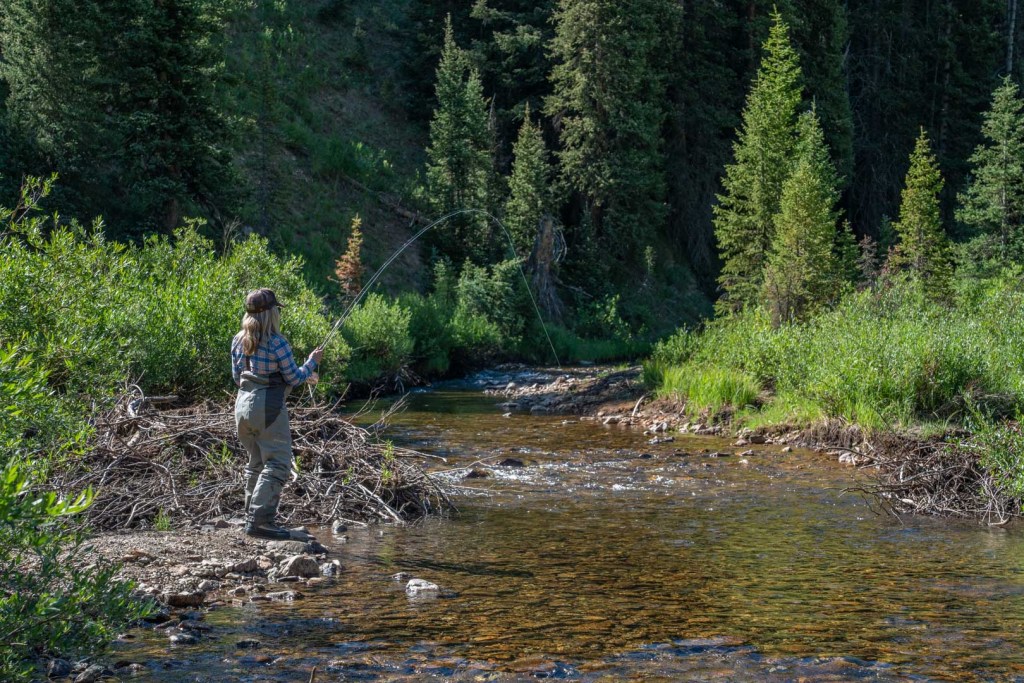
You can get to this trout stream by taking Whiterock Avenue west out of Crested Butte towards Kebler Pass and the Irwin Townsite. Find a wide spot in the road to park and scramble down the steep hill towards the river. Remember to research public access points in advance to avoid trespassing and an uncomfortable situation with a landowner.
Anglers will find mostly Brook trout in this stream, with the occasional brown taking your fly.
One of the main attractions of Coal Creek is its proximity to the Town of Crested Butte, making short trips extremely feasible. The downside to fishing at Coal Creek is that you must prepare to scramble down steep hillsides lacking any trails.
Don’t be fooled – there are very few easy ways to access Coal Creek.
Prime-time fishing on Coal Creek will be immediately after run-off has peaked (generally in June), and the stream still has enough flow and color to allow anglers to have a successful day.
If you’d prefer a guide to show you some of the more accessible paths to the river, contact us at info@slackwaterco.com.
Lake Irwin
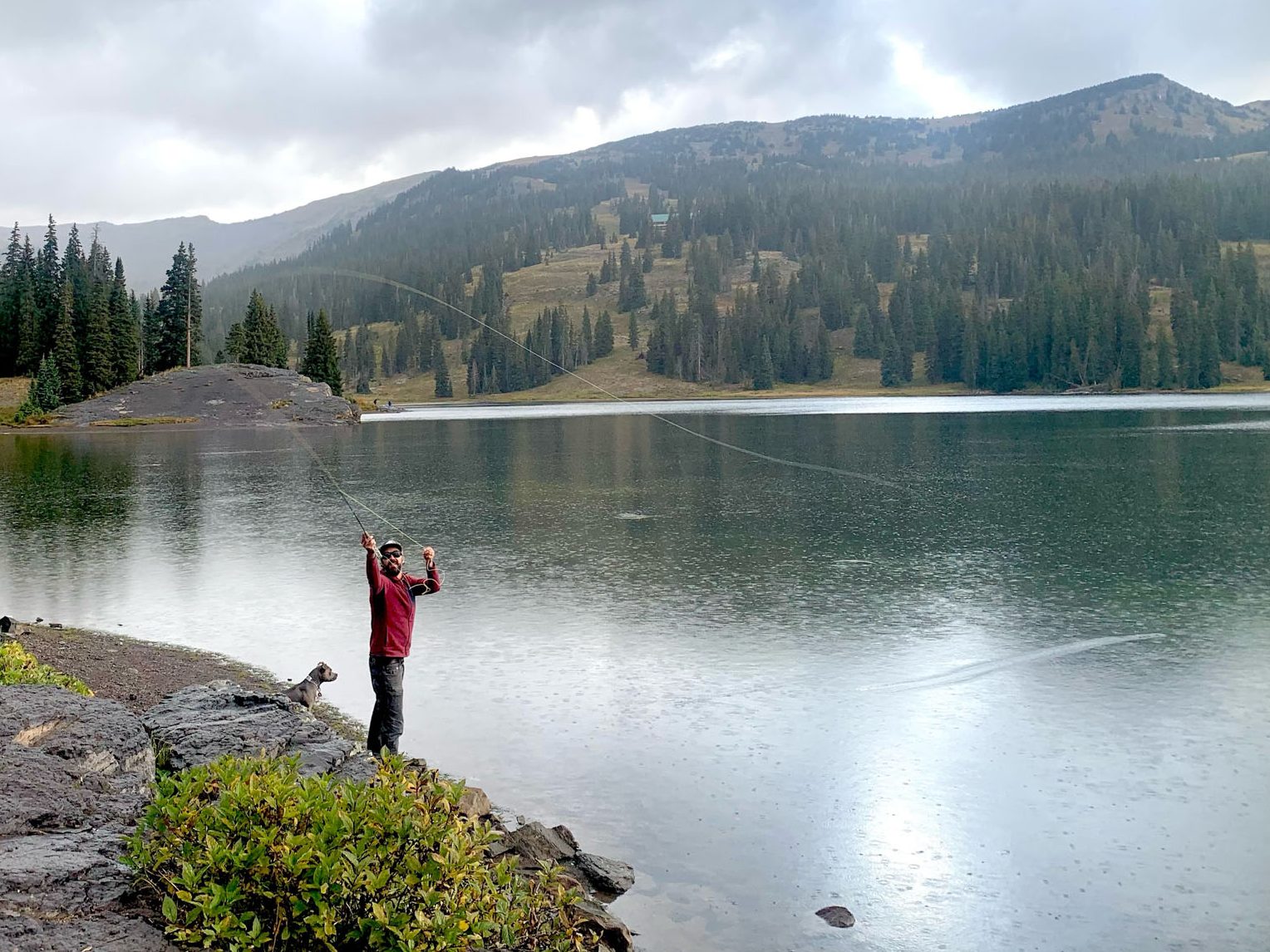
Seven miles west of Crested Butte is Lake Irwin, the former location of the booming mining community that once prospered in the late 1800s.
This faultless mountain lake is the perfect family-friendly fishing location for those who want to catch liberal amounts of rainbow trout and take in the views of the high alpine.
You can even camp at one of Lake Irwin’s many campsites should you like to stay overnight.
Sitting at just over 10,000 feet, focusing on the fishing with incredible views in every direction is sometimes challenging. Regardless, slowly dancing a Parachute Adams across the surface can be a phenomenal way to catch a beautiful Colorado mountain trout. Otherwise, suspending a Pat’s Rubberlegs 4-8 feet below an indicator can often fool a subsurface eater.
Bring your inflatable kayak or canoe to Lake Irwin if you’d like to try fly fishing from a boat. There are easy launch points from the parking lot for your non-motorized craft.
Access Lake Irwin by taking Whiterock Ave west out of Crested Butte for six miles until a fork in the road directs you towards Lake Irwin to the north. You will drive past Coal Creek (mentioned above) on your way to Lake Irwin.
Slate River

Flowing out of the Slate River Basin from its headwaters near the iconic Mineral Point and Paradise Divide, the Slate River is a beautiful Crested Butte trout stream.
The Slate River is more of a creek than a river due to it’s narrow width and low flows for most of the year. However, because of the massive amount of snow that falls on the Paradise Divide throughout the winter, this freestone river can be large and swift during peak runoff.
Hence the best time to fish this river is in July, August, and September.
The clarity of the Slate River is impeccable for most of the summer, sometimes making the fishing challenging. Be sure to practice stealthy approaches to the fishiest spots and tread gently when wading.
When the water is too high to fish, we recommend exploring other ways to enjoy the Slate River, such as paddle boarding it from the Town of Crested Butte to Brush Creek Road, near the Skyland neighborhood.
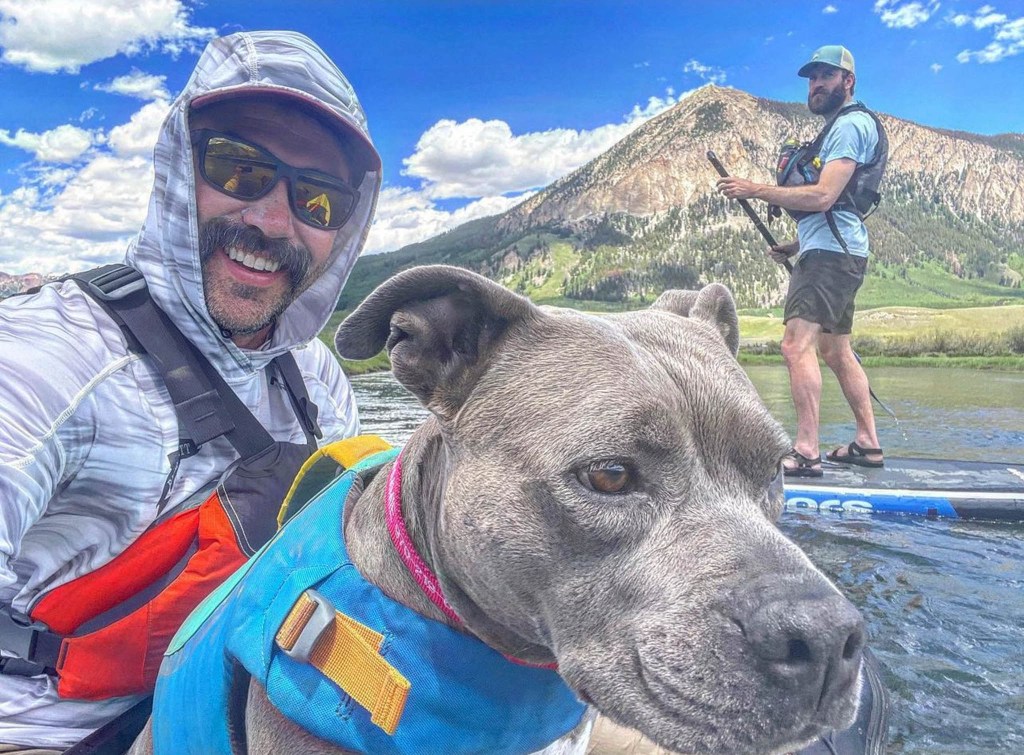
The Slate River is easy to access from town and rewards anglers with heaps of opportunities to fly fish on public land north of town. South of Crested Butte, the Slate River is primarily surrounded by private land until it joins the East River in CB South.
Focus on pocket water and undercut banks when the flows drop, and water clarity is high.
Size 16-22 mayfly dries and nymphs can be particularly productive on the Slate River during the heat of the summer. We generally fish the Slate with a 7.5 foot 3-weight Winston Nimbus for exclusive dry fly angling or an 8.5 foot 4-weight Scott G-series when we need the flexibility to fish a light, dry-dropper combo.
Tomichi Creek
Tomichi Creek is often fished less than other Crested Butte area trout streams, primarily due to the abundance of private land surrounding this trout stream.
Nevertheless, some public stretches of the Tomichi can be wildly productive during certain times of the year.
The Tomichi headwaters are located on the western side of the Continental Divide near Sargents, CO (a small town on the western side of Monarch Pass). From its headwaters, the river meanders west for approximately 50 miles, mainly through private ranch land, until it meets the Gunnison River in Gunnison, CO.

While the public access points to the Tomichi are limited, this trout stream is worth a visit if you’re looking for a more seldom-visited trout stream. The primary public access point is east of Gunnison and requires some hiking.
Brown trout in the Tomichi can reach large sizes despite the creek’s smaller nature. Target undercut banks and deeper pockets shielded from predators to have the best chances to catch a trout here.
PLEASE NOTE: Tomichi is best fished earlier in the season than other rivers due to its water temps sometimes approaching dangerous levels by early summer.
Trout require water temperatures below 65 degrees to remain healthy, and fishing for them when water temps are too hot puts unnecessary stress on them. Too much stress increases their mortality rate, resulting in dead fish and a less fruitful fishery.
An indication of water temps at or near dangerous levels is abundant quantities of growth on the river bottom. Algae and other aquatic plants can grow rapidly when water temps rise to levels too dangerous to fly fish.
If you need recommendations on where to fish when water temperatures are higher, send us an email at info@slackwaterco.com.
Thanks for doing your part to keep fisheries healthy.
Summary

Fly Fishing in Crested Butte and the surrounding areas is an extraordinary experience that will create memories that last a lifetime. Whether you’re a seasoned veteran or a beginner fly angler, Crested Butte waters will have something for you.
Investing in a guided trip will help you learn the area and improve your skills. A guide will also show you some of the more specific locations not detailed in this article where you can find the best Crested Butte fly fishing experiences.
Please contact us for more information or if you have any questions!
Thanks for reading,
Team Slackwater